
Megalithism
A story that began more than 4,000 years ago

The first settlers of Baix Pallars
An environment suited to human life
The landforms and climatic conditions of Baix Pallars have favoured human settlement since remote times. Already during the Early Bronze Age (2700–2100 BC), intense human activity was established here, leaving a deep mark on the landscape. The dolmens and other dwelling remains in the Pla de Corts and the Serra de Peracalç are clear evidence of this. It would not be until the Romanisation that substantial changes took place in the social and economic organisation of these lands.

Daily life and natural resources
The natural environment provided the resources needed for a way of life based on livestock, hunting and fishing. At the same time, the first metal objects appeared —first in copper and later in bronze— coexisting with traditional materials such as:
- Stone (flint and quartz) for cutting tools
- Bone for pendants, necklaces or awls
- Ceramics for everyday use
Caves, settlements and nomadic life
The first inhabitants preferred to live in natural caves, such as those of the Pleta del Comte or the Perauba-Peracalç rock shelters, although there were also open-air settlements. These, more rudimentary, were probably temporary huts used by nomadic shepherds, such as those discovered at the Granja de Casa Parramon, near Peramea.
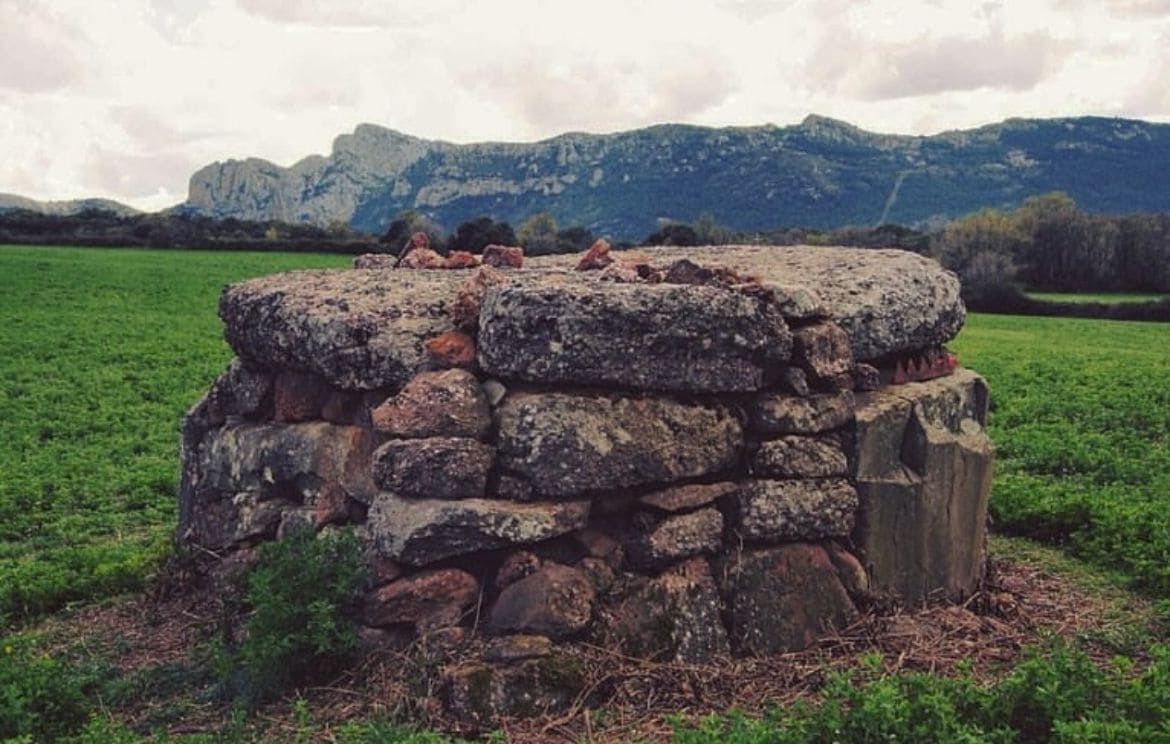
Megalithism and funerary dolmens
It is in this context that megalithism emerged, a cultural phenomenon linked to collective burials. In Baix Pallars several notable dolmens have been preserved, such as:
- La Cabana de la Mosquera (between Peramea and Pujol)
- La Cabana de Perauba
- La Cabana de Castellar d’en Pey (in Peracalç)
Pla de la Guineu: a possible salt production centre
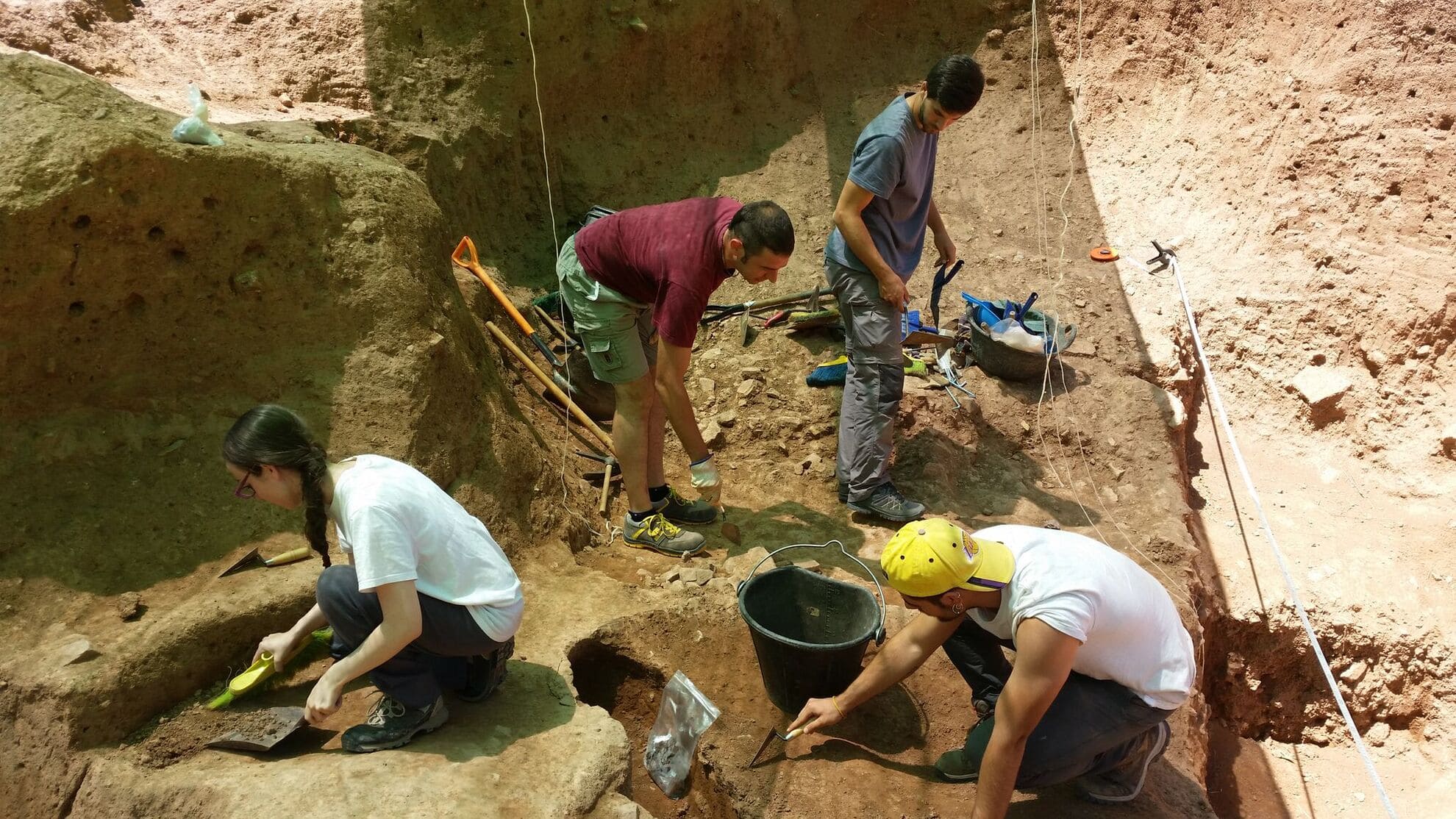
In 2011, at the Pla de la Guineu archaeological site, near Gerri de la Sal, combustion structures and ceramic fragments dating from the Early Bronze Age were found. These remains point to a significant activity: salt production through the boiling of brine in vessels heated over direct fire, possibly one of the earliest forms of organised production in the area.
Continuity until Roman times
Despite the arrival of new materials and techniques, the ways of life in Baix Pallars remained stable for centuries. It would not be until the Romanisation that substantial changes took place in the social and economic organisation of these lands.